

Cypress Tree Service Blog
When Is a Tree Too Dangerous to Leave Standing?
Cypress Tree Service • November 10, 2026
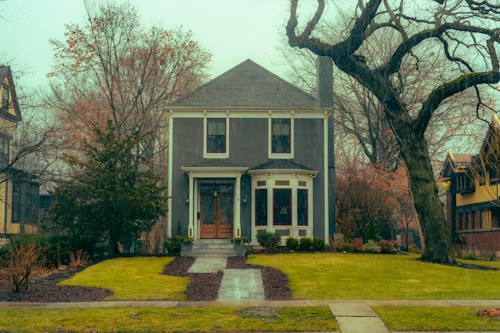
Disease, structural weaknesses, root damage, and severe weather can compromise a tree's stability, increasing the risk of falling branches or complete collapse. Knowing when a tree may be too dangerous to leave standing can help protect your home, family, and surrounding property. If you suspect a tree has become hazardous, a professional arborist can assess its condition and determine whether removal is the safest solution. At Cypress Tree Service, we provide expert hazardous tree removal in the greater Byram Township, NJ area. Here are four signs that a tree could be too dangerous to leave standing.
The Tree Has a Severe or Increasing Lean
Although some trees naturally grow at an angle, a sudden or progressively worsening lean may indicate a serious structural problem. Damaged roots, shifting soil, or a weakened trunk can prevent a tree from remaining stable. Look for raised ground around the base, exposed roots, or cracks in the soil. These warning signs may suggest the tree could fall, especially during heavy rain or strong winds. An arborist can evaluate the tree's stability and recommend appropriate action before the situation becomes more dangerous.
The Trunk Shows Significant Decay
A tree's trunk provides the structural support necessary to keep it upright. Deep cracks, large cavities, soft wood, and fungal growth can indicate internal deterioration that weakens this support. Although some trees can tolerate limited decay, extensive damage can increase the likelihood of trunk failure. Because internal problems are not always visible from the outside, professional assessment is important when you notice unusual changes in the trunk.
Large Branches Are Dead or Breaking
Dead, cracked, and hanging branches can fall without warning, creating hazards for people and property. If a tree has extensive deadwood or multiple major limbs that appear damaged, it may require immediate professional attention. Sometimes, strategic pruning can remove dangerous branches and preserve the tree. However, widespread deterioration or significant structural damage may make complete removal the more appropriate option.
The Root System Is Damaged
Roots anchor trees in the ground and help them absorb water and nutrients. Construction, soil erosion, disease, and root rot can compromise this essential support system. Signs of concern include exposed or severed roots, decaying root structures, and soil lifting around the base. When root damage affects stability, even a tree with healthy-looking branches can pose a serious hazard. An arborist can assess the root system and determine the safest course of action.
Tree Removal in Byram Township, NJ
For expert
tree removal in Byram Township and the surrounding area,
contact Cypress Tree Service at
973-358-2734. Feel free to give us a call to
arrange an estimate for tree services in greater Byram Township!