

Cypress Tree Service Blog
4 Indications that a Tree Could Be More Likely to Fall Over in High Winds
Cypress Tree Service • December 15, 2025
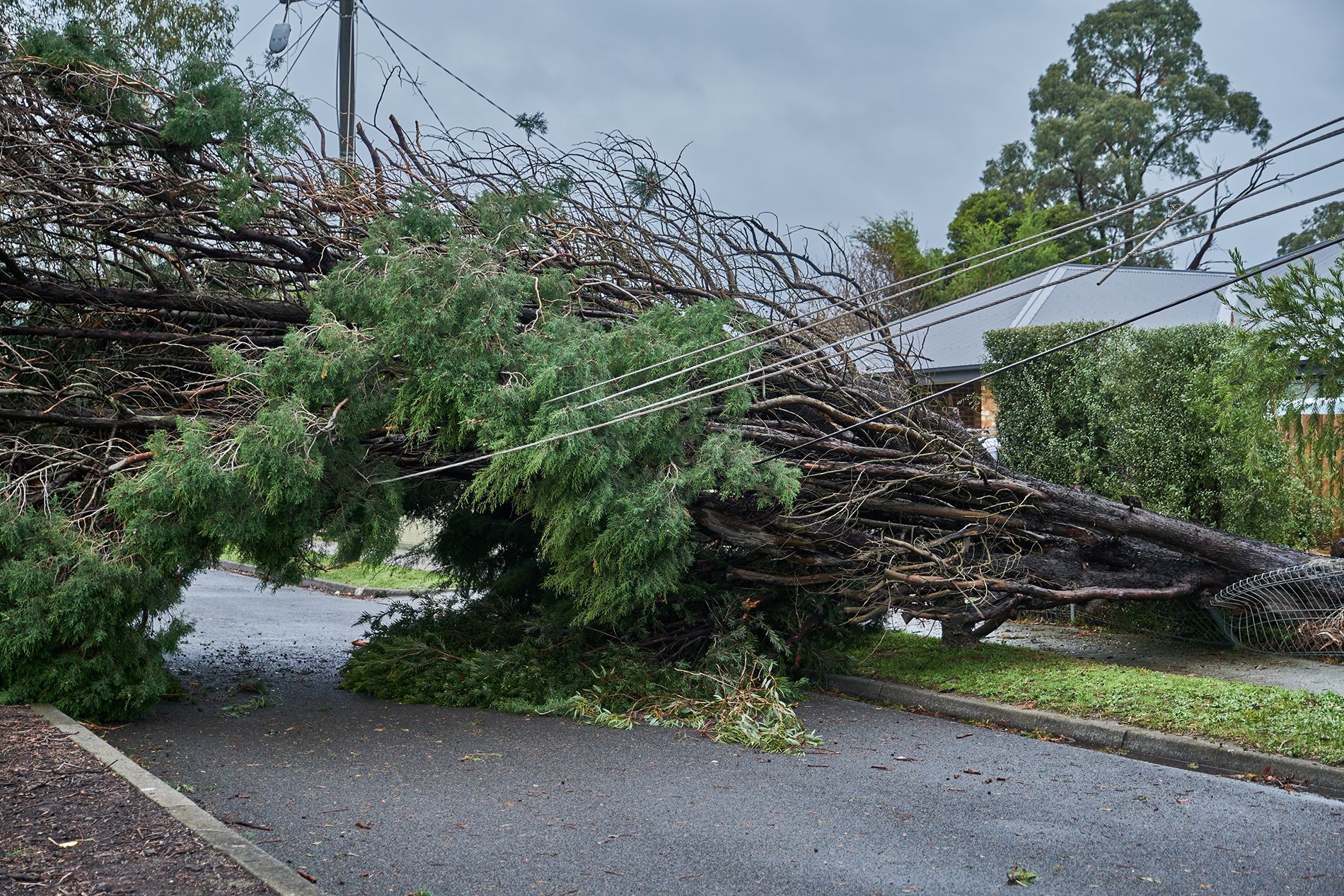
High winds put tremendous stress on branches, trunks, and root systems, especially if the tree is weakened or compromised. Recognizing early warning signs can help you take action before a dangerous situation occurs. At Cypress Tree Service, we provide expert hazardous tree removal in the greater Byram Township, NJ area. Here are four signs that a tree on your property may be more likely to topple in strong winds.
Leaning or Sudden Changes in Position
A tree that leans noticeably—especially if it wasn’t leaning before—is a major red flag. While there are some trees that naturally grow at an angle, a sudden or increasing lean can signal root failure or instability. This is particularly concerning after storms, heavy rains, or soil erosion, which can weaken the ground supporting the tree. If the lean appears pronounced, the tree may be at high risk of falling when the next windstorm hits.
Visible Root Damage or Soil Disturbance
Roots are responsible for anchoring a tree securely into the ground. When they are damaged, severed, or decaying, the entire tree becomes unstable. Look for exposed roots, cracked soil, raised earth on one side of the trunk, or signs of fungal growth near the base. Construction and nearby landscaping changes can also weaken the root system. Any disturbance around the root zone can make the tree more vulnerable to toppling in strong winds.
Splits or Cavities in the Trunk
Structural problems in the trunk are often indications that a tree cannot withstand heavy wind pressure. Deep cracks and hollow cavities compromise the tree’s strength, making it easier for wind to break or uproot it. These issues are often caused by storms, disease, or previous improper pruning. When a trunk’s integrity is significantly weakened, even mild winds can cause failure, making prompt evaluation by a professional essential.
Fungal Growth or Signs of Internal Decay
Fungal growths on the trunk or around the roots are potential signs of internal decay. Fungi thrive on weakened wood, meaning the structural integrity of the tree is already compromised. Once decay reaches the inner layers, the tree becomes significantly less able to withstand wind pressure.
Tree Removal in Byram Township, NJ
For expert
tree removal in Byram Township and the surrounding area, contact Cypress Tree Service at
973-358-2734. Feel free to give us a call to ask for an estimate for tree services in Byram Township!